


How the purpose of the India Union Budget has evolved
Over the last seven years, the Union Budget has evolved from near-term fiscal steering to a Covid-19 crisis-response instrument to a long-horizon system-design document
Over the last seven years, the Union Budget has evolved from near-term fiscal steering to a Covid-19 crisis-response instrument to a long-horizon system-design document

Labour code-driven charges reveal a lasting reset in how Indian companies price labour, manage workforce risk, and protect margins
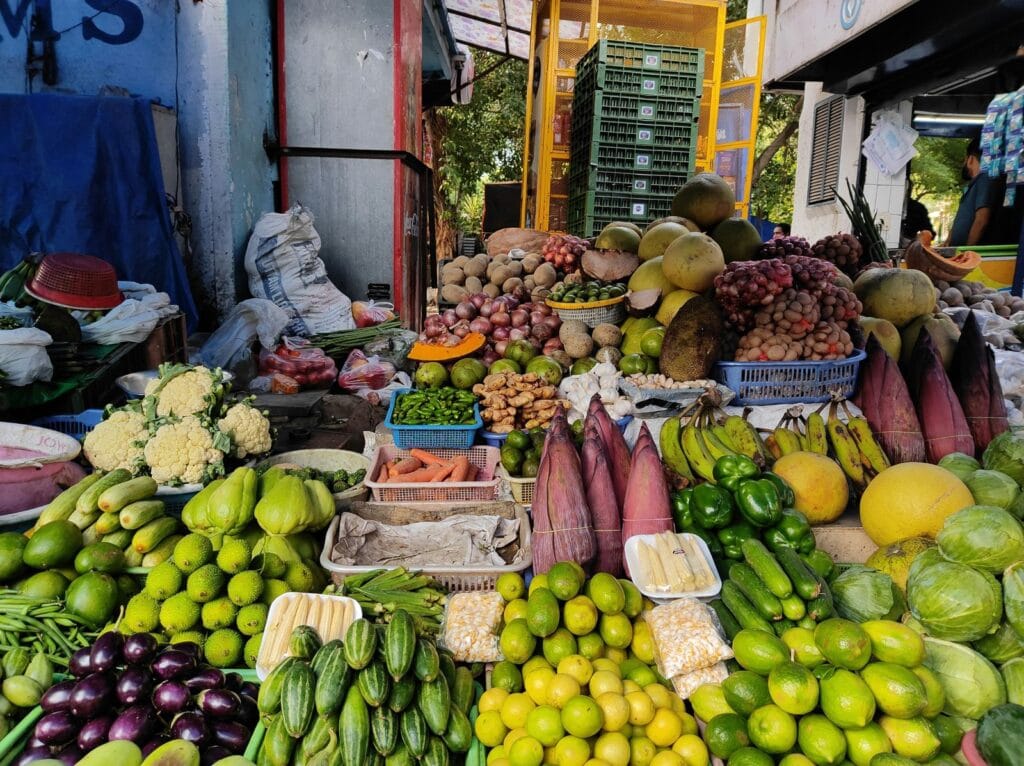
Food prices declined, gold and silver surged, and the CPI flattened a deeply uneven inflation experience.
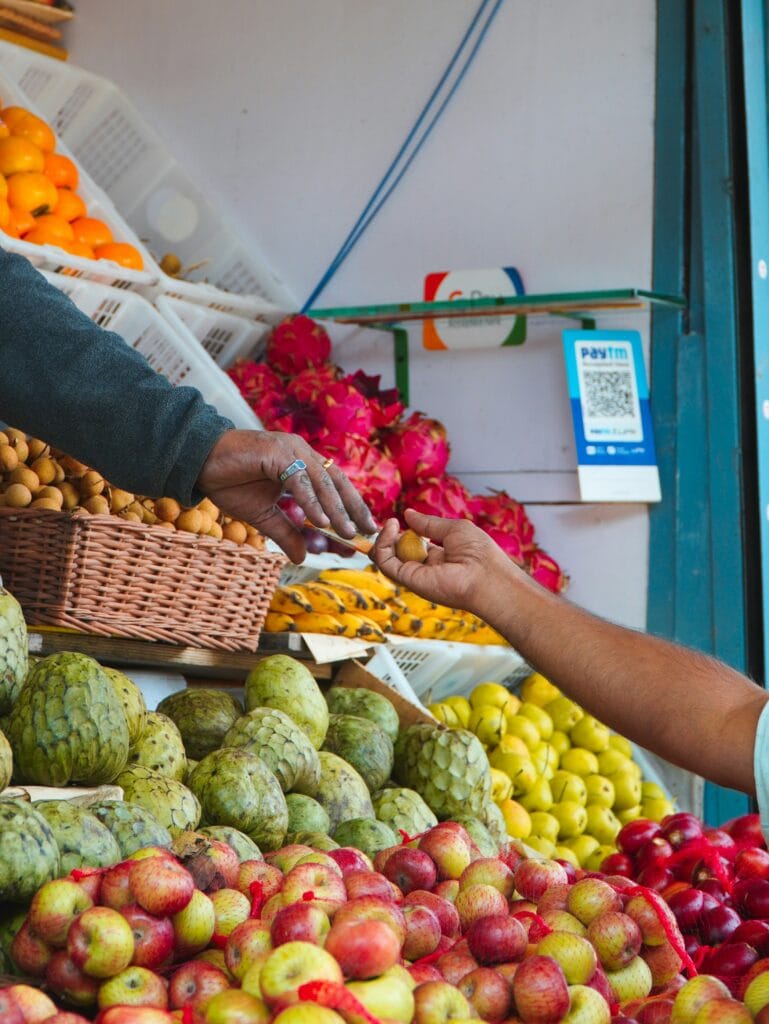
UPI’s evolution to a hyper-scale and frequent usage, suggests India’s digital payments system is reshaping the rhythm of consumption, not merely its volume

Load factor for IndiGo remained resilient through December even as on-time performance deteriorated, underscoring the operational nature of the shock

Job listings, EPFO flows, and PLFS indicators together point to rising employer activity and deeper formal labour absorption

Demat custody value has grown far faster than GDP, reshaping how financial assets are held and measured.

Macro signals, micro behaviours, and what the alternative data tells us about what comes next
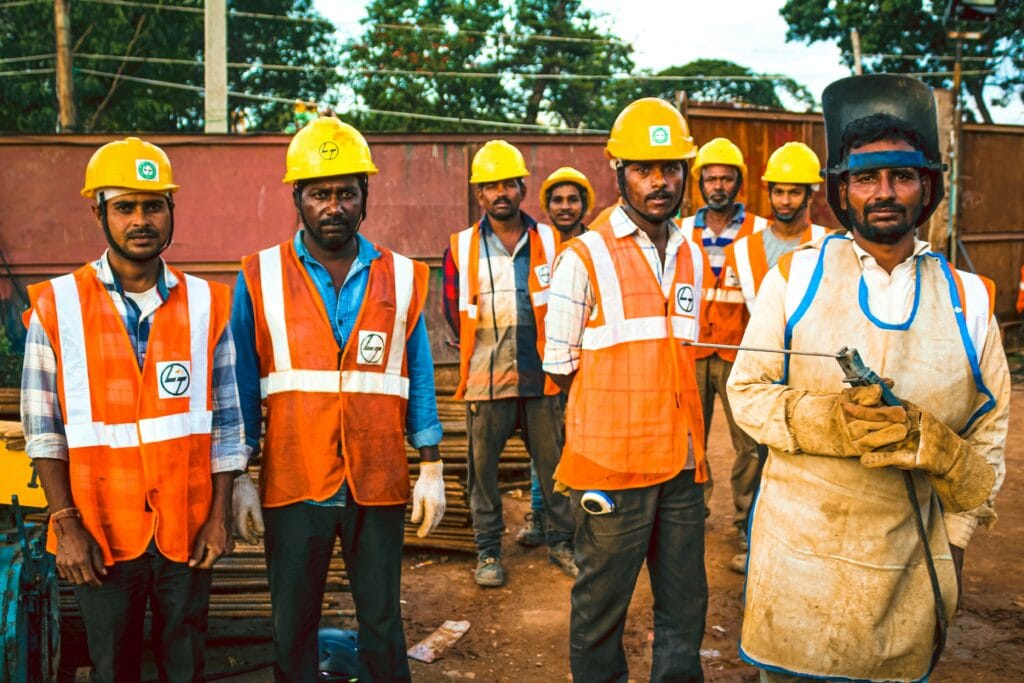
EPFO’s payroll trail shows a quiet but decisive shift: young workers are entering formal jobs earlier, while mid-career and older employees are being pulled into the formal system at a scale India has not seen before.

India’s school enrolment has dropped by 18 million in 36 months. We dive into the data to explain why the thinning base of the education pyramid signals a major demographic turning point

What an under-the-radar network shift means for yields, margins, and competitive resilience

Price realisation, not volume alone, is reshaping India’s electric two-wheeler leaderboard—exposing contrasting strategies, execution quality, and economic durability