

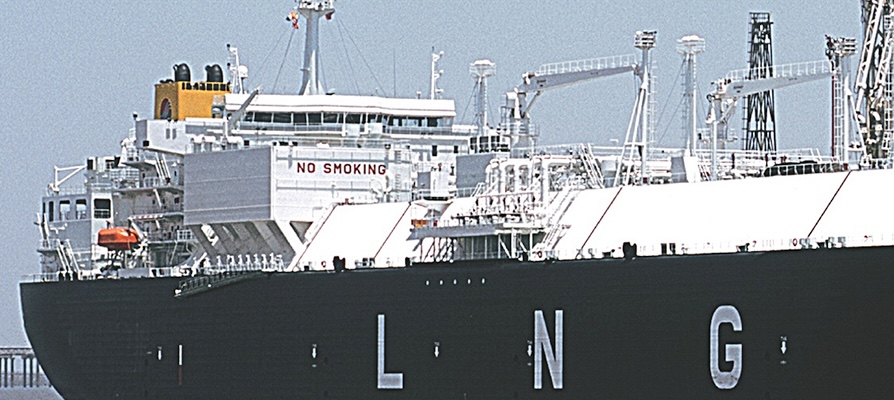

Rising tensions around the Strait of Hormuz are already visible in crude oil markets, but the economic transmission into India extends beyond oil. In an earlier note, we examined how India’s LNG imports are heavily concentrated in Gulf suppliers whose cargoes must transit the Strait of Hormuz.
Several industrial sectors depend heavily on imported natural gas for both fuel and feedstock, making them particularly sensitive to disruptions in Gulf energy shipping routes. Fertiliser plants, refineries, petrochemical complexes, and city gas distribution networks all rely on imported gas supplies that arrive through maritime routes linked to the Gulf. Any disruption to shipping through the Strait would therefore transmit quickly into industrial costs, production economics, and corporate margins in these sectors.
Trade data from Thurro’s platform show that India imported petroleum gases worth approximately USD 28.5 billion in the year to August 2025. A large share of these imports originates in the Gulf, particularly Qatar and the United Arab Emirates (UAE), meaning that supply flows for several gas-dependent industries remain tied to a single maritime corridor.
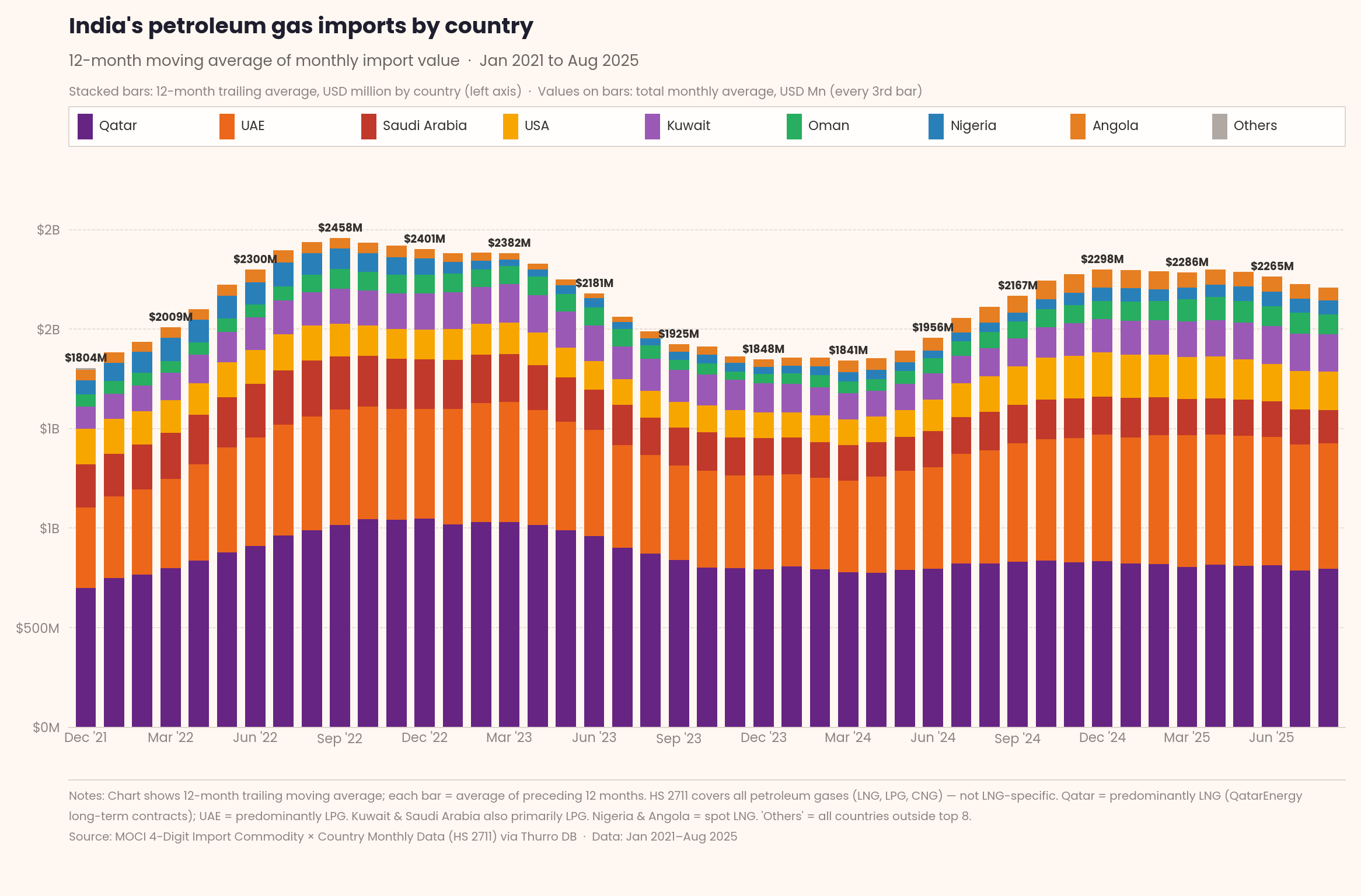
Early signs of stress are already appearing in India’s LPG market, with several states reporting disruptions in commercial cylinder supplies to restaurants and small businesses. The broader economic transmission, however, occurs through regasified LNG (RLNG), the form in which imported gas enters India’s industrial energy system.
Gas-intensive sectors carry the highest exposure
The immediate transmission channel of a Hormuz disruption runs through sectors that depend heavily on regasified LNG. Sectoral consumption data show that roughly 85% of gas used in fertiliser plants is RLNG. Any disruption in LNG shipments therefore feeds directly into production costs, with limited short-term substitution options for fertiliser manufacturers.
Refineries represent the second major exposure point. Natural gas is widely used as process fuel in refinery operations, and RLNG accounts for a large share of this consumption. A disruption in LNG shipments would, therefore, raise operating costs even if crude supply remains stable. Meanwhile, sectors such as petrochemicals, industrial manufacturing, and city gas distribution also rely on RLNG, though the degree of exposure varies depending on the availability of domestic gas allocations.
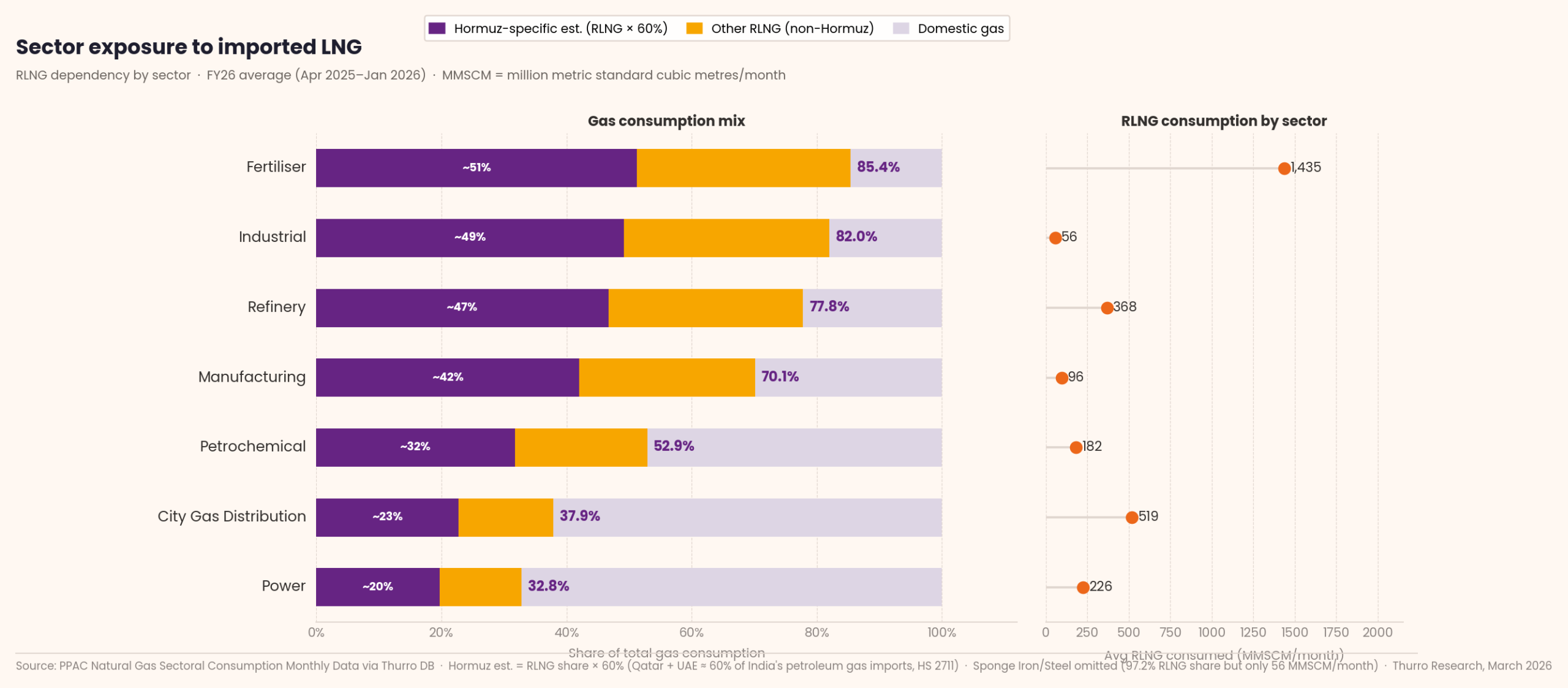
Fertiliser and refining face highest Hormuz exposure
The implication is that LNG supply disruptions would first appear in gas-intensive industrial sectors before propagating into broader energy markets. Corporate exposure, however, depends less on sector classification and more on where individual companies sit within the LNG value chain—from LNG import infrastructure to fertiliser plants, refineries, and gas distribution networks.
Companies most exposed to LNG disruption
Among listed companies, Petronet LNG carries the most direct operational exposure to a disruption in LNG shipments. The company operates India’s largest LNG import terminal at Dahej and a second terminal at Kochi. Its revenue is tied closely to regasification throughput volumes. If cargo arrivals decline because shipments from Qatar are disrupted, terminal utilisation falls and throughput fee income declines correspondingly.
Gas-intensive fertiliser producers represent the second major exposure group. Companies such as National Fertilizers Ltd and Rashtriya Chemicals & Fertilizers Ltd rely on natural gas as the primary feedstock for ammonia production. Because urea prices are administratively fixed in India, fertiliser producers cannot immediately pass higher feedstock costs through to product prices. Subsidy revisions typically occur with a lag of several months, creating temporary margin compression when gas prices rise sharply.
Deepak Fertilisers and Petrochemicals Corporation Ltd also face similar feedstock exposure through its ammonia and ammonium nitrate operations. Unlike PSU fertiliser producers, however, the company operates outside the government-controlled urea pricing system. Gas price increases therefore transmit more directly into operating margins, although higher global ammonia prices during gas supply shocks can partially offset this effect.
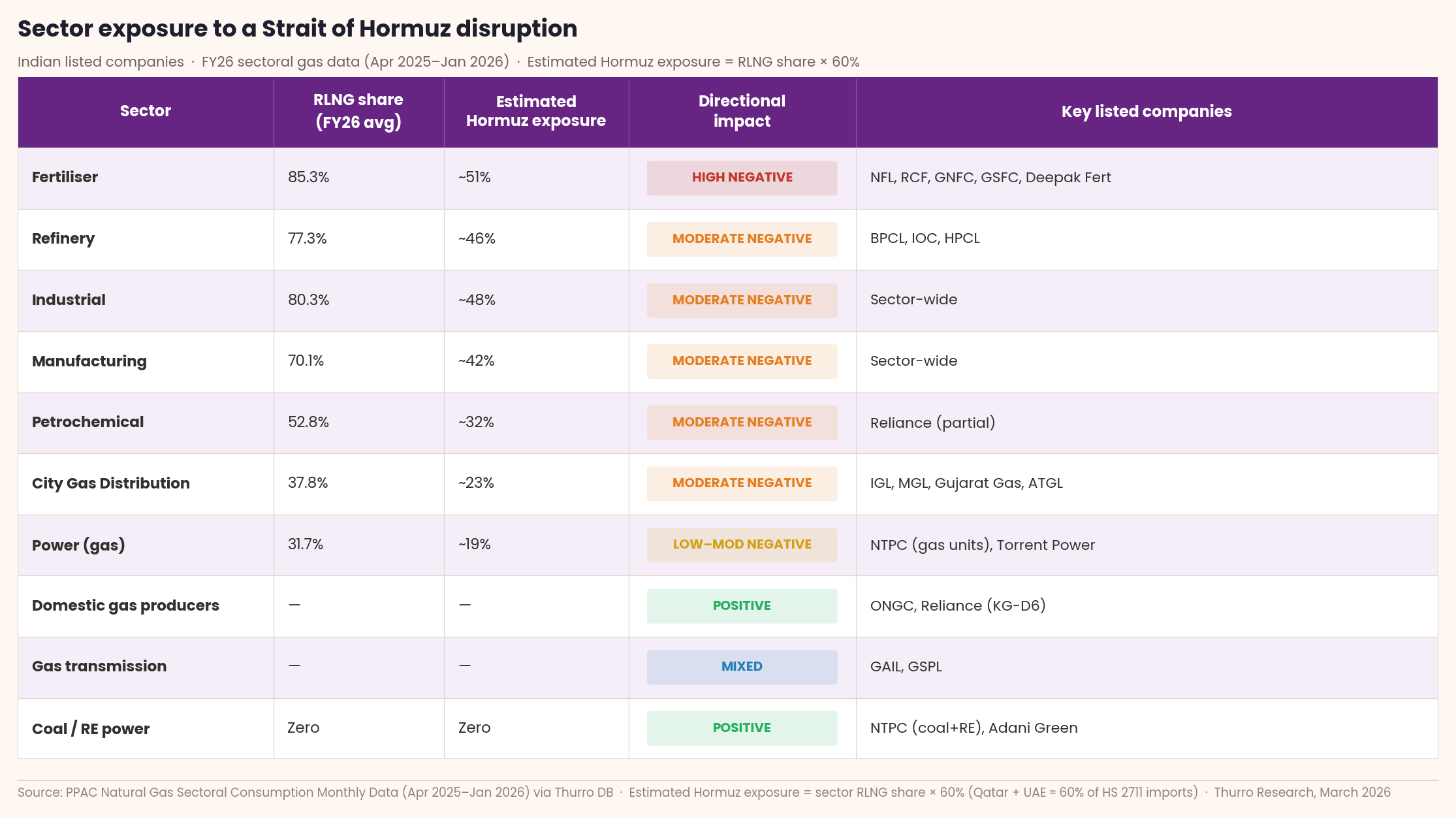
Gas-intensive sectors rely heavily on imported LNG
Refining companies also face cost pressure through the LNG channel. Bharat Petroleum Corporation Ltd, Indian Oil Corporation Ltd, and Hindustan Petroleum Corporation Ltd all use natural gas as process fuel in refinery operations. A disruption in LNG supply therefore raises refining costs. At the same time, the Strait of Hormuz is also a major corridor for crude oil shipments from Gulf producers, meaning refiners could also face higher crude prices during periods of geopolitical tension in the region.
City gas distribution companies such as Gujarat Gas Ltd, Indraprastha Gas Ltd, and Mahanagar Gas Ltd face a different form of exposure. These companies receive part of their supply from domestic administered price mechanism gas, which provides some insulation from LNG price volatility. However, RLNG still represents a meaningful share of their supply mix. Higher gas prices typically translate into higher CNG and industrial gas tariffs, which can reduce demand among price-sensitive industrial customers.
Domestic gas producers could gain
Domestic gas producers stand on the opposite side of this dynamic. Companies such as Oil and Natural Gas Corporation Ltd benefit from higher global gas prices during supply disruptions. India’s administered gas pricing formula references international benchmarks on a trailing basis, meaning sustained increases in global gas prices eventually translate into higher domestic gas realisations.
Reliance Industries Ltd also benefits through production from its KG-D6 deepwater gas fields, where pricing is linked more directly to international benchmarks. In periods of global LNG supply tightness, these price linkages allow domestic producers to capture a portion of the upside from higher gas prices.
Pipeline operators may also benefit indirectly. GAIL (India) Ltd operates the country’s largest natural gas transmission network, transporting both domestic gas and regasified LNG across industrial regions. When imported LNG becomes scarce or expensive, domestically produced gas becomes more valuable, increasing the strategic importance of pipeline infrastructure.
GAIL also holds LNG supply contracts outside the Hormuz corridor, including US LNG offtake agreements. Cargoes sourced from these contracts could command higher margins if Middle Eastern shipments are disrupted. As a result, supply shocks in the Gulf can increase the value of non-Hormuz gas supply chains.
Thurro does not make buy or sell recommendations on any security. This analysis highlights companies that could be operationally affected by a Strait of Hormuz disruption based on publicly available data on Thurro’s platform. It is for informational purposes only and does not constitute investment advice.
Cover photo credit: BPCL
View disclaimer
Unlock the power of alternative data
Do not just follow the market — stay ahead of it. Thurro helps you transform raw filings and alternative datasets into actionable insights.
Explore Thurro AltData Book a demoRelated Articles
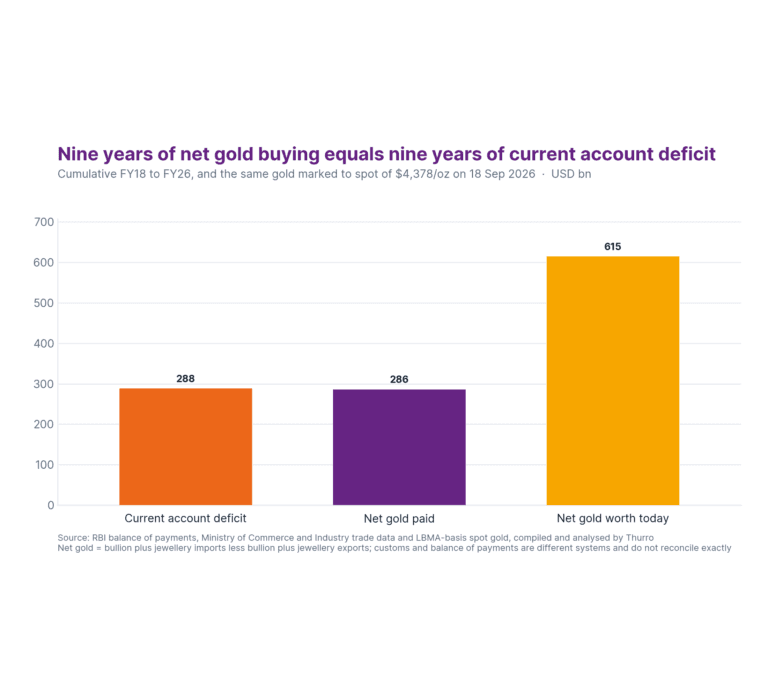
Nine years of net gold buying equals nine years of current account deficit — and it has doubled in value
India paid out $286bn for net gold between FY18 and FY26. Its cumulative current account deficit over the…
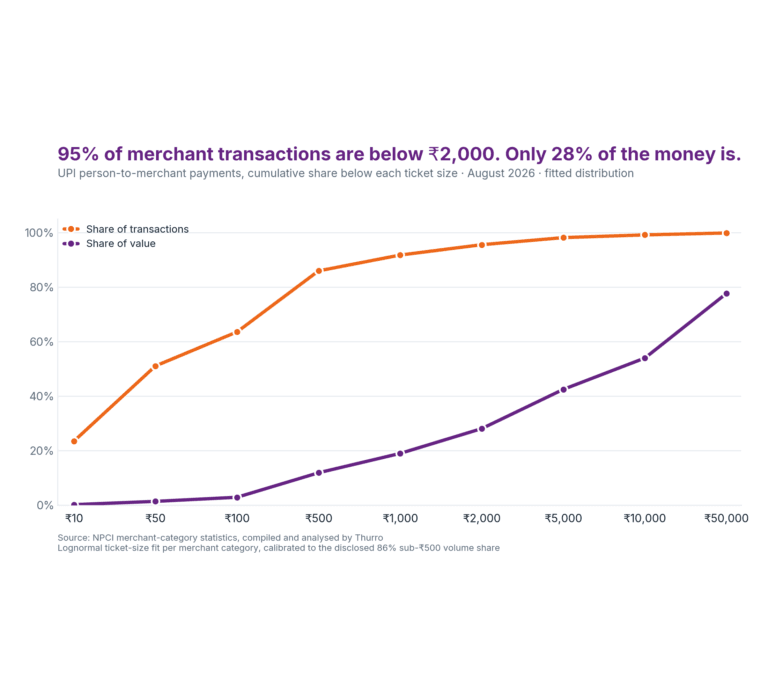
The UPI MDR pool is about ₹1,000 crore a month, and two-thirds of it sits where nobody can see it
Parliament has cleared the way for merchant charges on UPI. The merchant-category data says the revenue is real…
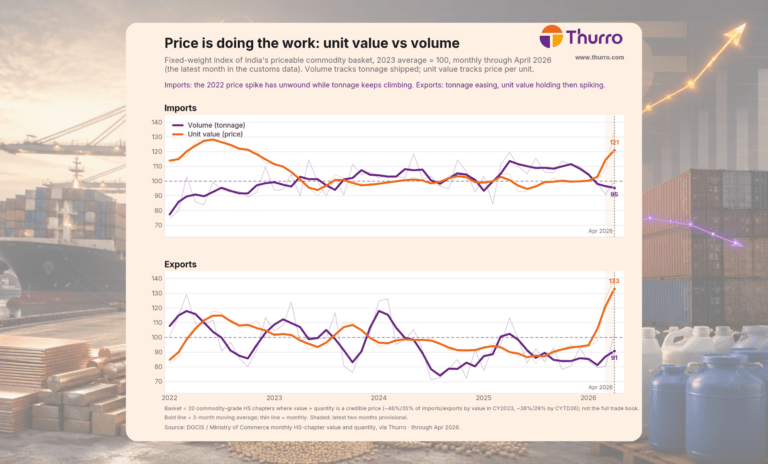
India’s commodity trade is running on price, not volume
India's trade value is still climbing — imports up about 18 percent and exports about 8 percent in…